
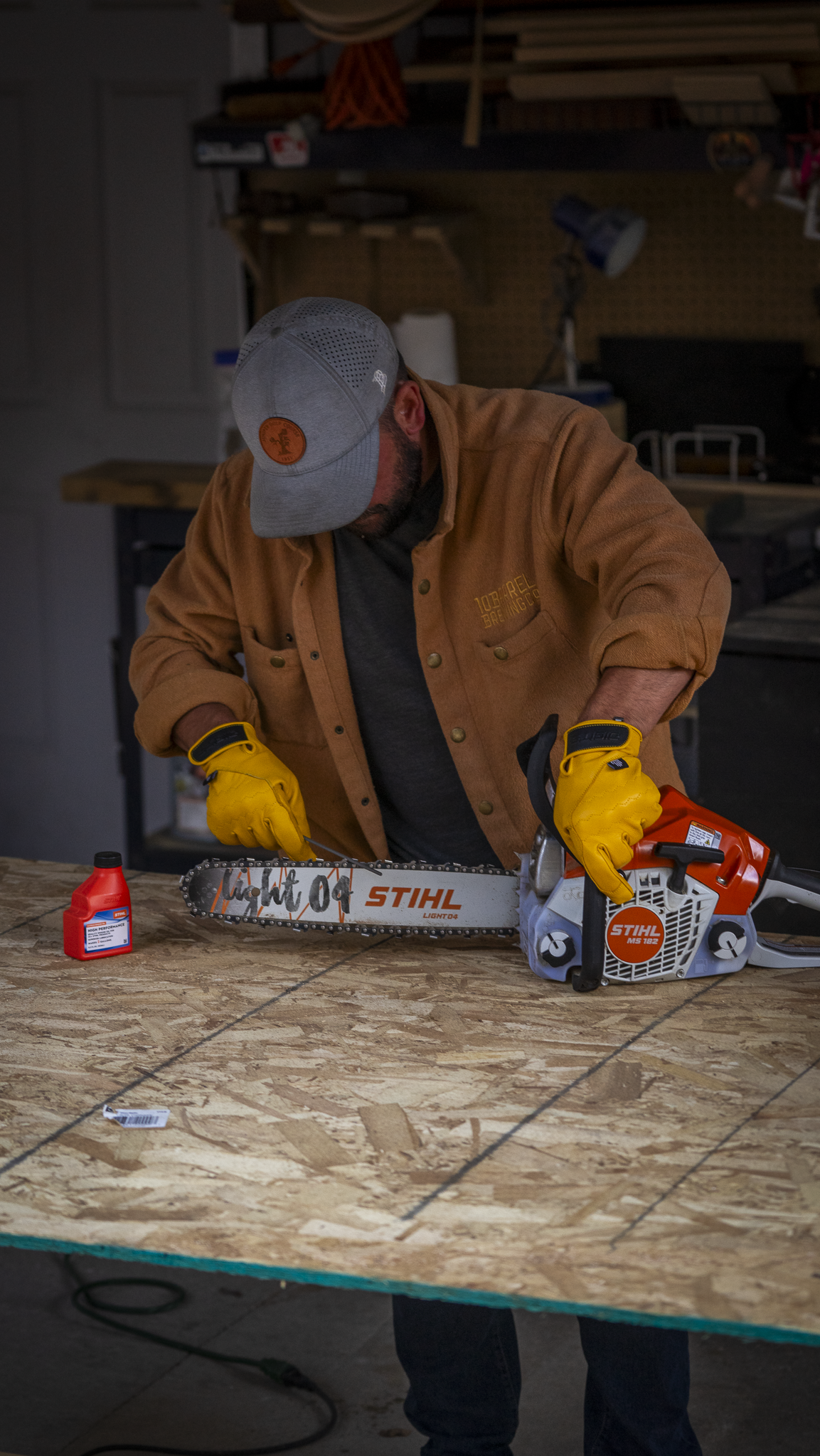
Best Winter Work Gloves for Construction, Ranch Work & Outdoor Jobs
Anybody who works outside during winter knows one thing: cold hands can make even simple jobs miserable.
Trying to handle lumber on a freezing jobsite, repair a fence on a frosty morning, or work on equipment when every piece of metal feels ice-cold is no fun.
And if your gloves are too bulky to handle the tools you need, you're stuck choosing between keeping your hands covered and actually getting the work done.
That's why choosing the right winter work gloves matters.

The best winter work gloves for construction and outdoor labor combine task-appropriate warmth, durable materials, reliable grip, and enough flexibility to safely handle tools and equipment.
For many general-purpose jobs, insulated leather gloves provide a useful balance of those features.
At Digits Workwear, we designed Frostline around the needs of people who work with their hands in colder conditions.
Here's what to look for in winter gloves for different outdoor jobs and why the right combination of insulation, fit, and materials can make such a difference.
What Should You Look for in Winter Construction Gloves?
Construction workers need more than a warm pair of gloves.
A good winter glove also needs to handle repeated contact with tools, lumber, fasteners, and building materials.
For many jobs, these five characteristics matter most.
1. Insulation for Cold Conditions
Insulated gloves help reduce heat loss from your hands.
The amount and type of insulation needed depend on the conditions.
Working outside for 20 minutes on a cool morning is different from spending an entire shift in below-freezing weather.
Wind, moisture, work intensity, and individual cold tolerance all affect the level of protection required.
2. Durable Materials
Construction can be tough on gloves.
Repeatedly gripping hand tools, moving lumber, and handling rough materials creates friction and wear.
Cowhide leather is a common choice because it provides a durable, flexible exterior suitable for many material-handling tasks.
3. Dexterity
You still need to measure, fasten, lift, adjust, and position things.
A glove that prevents you from moving your fingers naturally can be frustrating during detailed work.
Look for gloves that provide enough flexibility to complete your normal tasks.
4. Secure Wrist Fit
Loose cuffs can allow cold air and debris to enter.
An adjustable closure helps achieve a more consistent fit, especially when worn with jackets or additional workwear layers.
5. Protection Appropriate to the Job
Cold-weather insulation is not a substitute for task-specific protective ratings.
Workers exposed to sharp metal, hazardous chemicals, electrical equipment, or hot materials may need additional or different types of hand protection.
Best Work Gloves for Cold-Weather Construction
For general winter construction, leather gloves with insulation can be a practical choice.
They combine an outer material intended to withstand everyday surface contact with an insulating layer for additional warmth.
Consider someone framing a building during a cold morning.
They're measuring lumber, carrying materials, setting fasteners, and using hand tools throughout the day.
They need enough insulation for the conditions, but they also need finger movement and a secure grip.
This is the type of application where a flexible insulated leather glove can be especially useful.
Digits Workwear Frostline features a premium cowhide exterior, insulated construction, precise finger stitching, reinforced seams, extended cuffs, and an adjustable wrist closure.
Together, these features are intended to provide warmth and control for general-purpose cold-weather work.
Shop Frostline Insulated Leather Work Gloves
Best Winter Work Gloves for Farm and Ranch Work
Ranch work doesn't slow down for winter.
Animals still need feeding. Fences still break. Equipment still needs maintenance. Supplies still need moving.
Many of these jobs involve working outdoors while repeatedly handling tools, ropes, equipment, and rough materials.
Why Leather Is Useful for Ranch Work
Cowhide leather has long been a popular material for ranch and utility gloves.
Its combination of flexibility and resistance to surface wear makes it suitable for many routine tasks.
Insulation adds a layer of warmth during colder months.
What About Fencing?
Fence installation and repair can expose hands to sharp wire ends, barbs, tensioned materials, and pinch hazards.
Although leather gloves can provide a useful handling barrier, they should not be assumed to provide a particular level of cut or puncture protection.
Choose the necessary protective rating for the specific fencing task.
Where Frostline Fits
For general ranch chores such as carrying feed, handling equipment, moving supplies, and routine outdoor maintenance, Frostline offers an insulated leather option designed to preserve hand mobility.

Best Winter Gloves for Firewood, Landscaping & Property Maintenance
Anyone who heats their home with wood or maintains a property through winter knows that outdoor chores don't disappear once temperatures drop.
Stacking firewood, moving branches, clearing debris, and handling equipment can create repetitive wear on gloves.
A good winter work glove should provide:
-
Suitable insulation for cold outdoor conditions
-
A durable palm for repeated material contact
-
Enough finger mobility to handle tools
-
A comfortable, secure fit
-
Construction that can tolerate ordinary jobsite wear
Insulated cowhide gloves are worth considering for many of these tasks.
However, the environment matters.
If you're working in wet snow or repeatedly handling saturated materials, a waterproof glove may be more appropriate.
Leather can absorb moisture, and prolonged wetness can affect glove comfort and performance.
Best Winter Gloves for Mechanics and Equipment Maintenance
Cold-weather mechanical work can be especially frustrating.
Tools feel cold, metal components are uncomfortable to handle, and small fasteners still require precise movements.
For general equipment handling and some maintenance tasks, flexibility is a major consideration.
Too much bulk around the fingertips can make it difficult to pick up small objects.
Insulated leather gloves with a close fit can help balance comfort and dexterity.
However, mechanics also encounter hazards that ordinary insulated leather gloves are not designed to address.
Never use gloves around rotating equipment when there's an entanglement hazard.
And when working with chemicals, batteries, hot components, or electrical systems, choose the appropriate task-specific PPE.
What Makes Frostline Different From Ordinary Winter Gloves?
Many winter gloves are designed primarily for recreation or keeping hands warm while walking outdoors.
Work gloves need to do more.
They must allow you to repeatedly grip tools and materials while tolerating the wear that comes with demanding jobs.
Frostline was developed as the insulated counterpart to our Spectre leather work glove.
Its construction focuses on five practical features.
Premium Cowhide Leather
A durable exterior designed for everyday work and repeated handling.
Insulated Construction
An insulating interior intended to provide additional warmth when conditions get colder.
Precise Finger Stitching
Designed to help preserve movement and control when handling tools or materials.
Reinforced Seams
Additional reinforcement to support durability in everyday work.
Adjustable Velcro Wrist Closure
Provides a secure, adjustable fit with additional coverage from the extended cuff.
Frostline is available in tan and black, with sizes ranging from Small through XXL.
How Cold Is Too Cold for Ordinary Work Gloves?
There isn't one universal temperature at which uninsulated work gloves become inadequate.
The answer depends on how long you're exposed, wind speed, moisture, activity, and personal cold tolerance.
A short job on a cool, dry morning creates different conditions from an eight-hour shift in freezing wind.
For longer or colder exposure, insulated gloves may be necessary.
OSHA identifies cold stress as a serious workplace concern and recommends insulated gloves, suitable clothing, keeping dry, and access to warming breaks.
The most important thing is to match your winter gear to the conditions rather than assuming a single glove works at every temperature.

How to Keep Your Hands More Comfortable Working Outside in Winter
Selecting the right gloves is important, but there are other practical steps that help make cold-weather work more manageable.
Keep Your Gloves Dry
Moisture can reduce comfort and increase heat loss.
If your gloves become wet, replace them with a dry pair when possible.
Carry a Spare Pair
Keeping an extra pair in your truck or toolbox can be useful during long workdays.
Wear Proper Cold-Weather Clothing
Your hands are part of a larger system.
Insulated jackets, appropriate base layers, headwear, and footwear help reduce overall cold exposure.
Take Warming Breaks
During demanding cold-weather jobs, regular breaks in a warm environment can help reduce cold-stress risks.
Make Sure Your Gloves Fit
Overly tight gloves can restrict movement, while loose gloves can interfere with grip and control.
Choose a glove that allows comfortable finger movement.
Frequently Asked Questions About Winter Work Gloves
What are the best gloves for construction workers in winter?
The best winter construction gloves provide warmth, grip, durability, and sufficient dexterity for the task. Insulated leather gloves such as Frostline can be useful for general material handling and outdoor work where their protection is appropriate.
Are leather gloves good for ranch work?
Yes. Leather gloves are commonly used for routine ranch work because of their durability and flexibility. Insulated designs add warmth for cold-weather chores. Specialized hazards such as sharp wire or machinery may require different protection.
Should construction workers wear insulated gloves?
Insulated gloves can be important when temperatures, wind, and exposure duration create cold discomfort or cold-stress hazards. The type and level of insulation should match the working conditions.
Are Frostline gloves good for outdoor work?
Frostline is designed for general-purpose outdoor jobs, including construction, property maintenance, and ranch work. Its insulated cowhide construction is intended to combine added warmth with flexibility and durability.
Can you use insulated leather gloves in snow?
They may be suitable for some intermittent snow-related tasks, but Frostline should not be assumed waterproof. For prolonged contact with wet snow or slush, choose appropriately waterproof gloves.
What gloves are best for cold-weather mechanics?
For general handling, look for insulation, dexterity, and a secure fit. Different mechanical tasks may require chemical-resistant, heat-resistant, cut-resistant, or other specialized gloves. Avoid gloves around rotating equipment when entanglement is possible.
Built for the People Who Work Through Winter
Cold weather changes the job, but it doesn't make the work disappear.
Whether you're building, repairing, hauling, or maintaining equipment, your hands still have a job to do.
The right winter work glove should provide enough warmth for your environment without making ordinary tasks unnecessarily difficult.
That's the balance we're working toward with Frostline.
Premium cowhide leather, insulation, reinforced construction, a comfortable fit, and practical wrist coverage.
Designed for people who don't stop working just because winter shows up.
PROTECT YOUR DIGITS.
Insulated vs. Non-Insulated Work Gloves: Which Should You Choose?