
News
Nitrile vs. PU-Coated Work Gloves: Which Should You Choose?
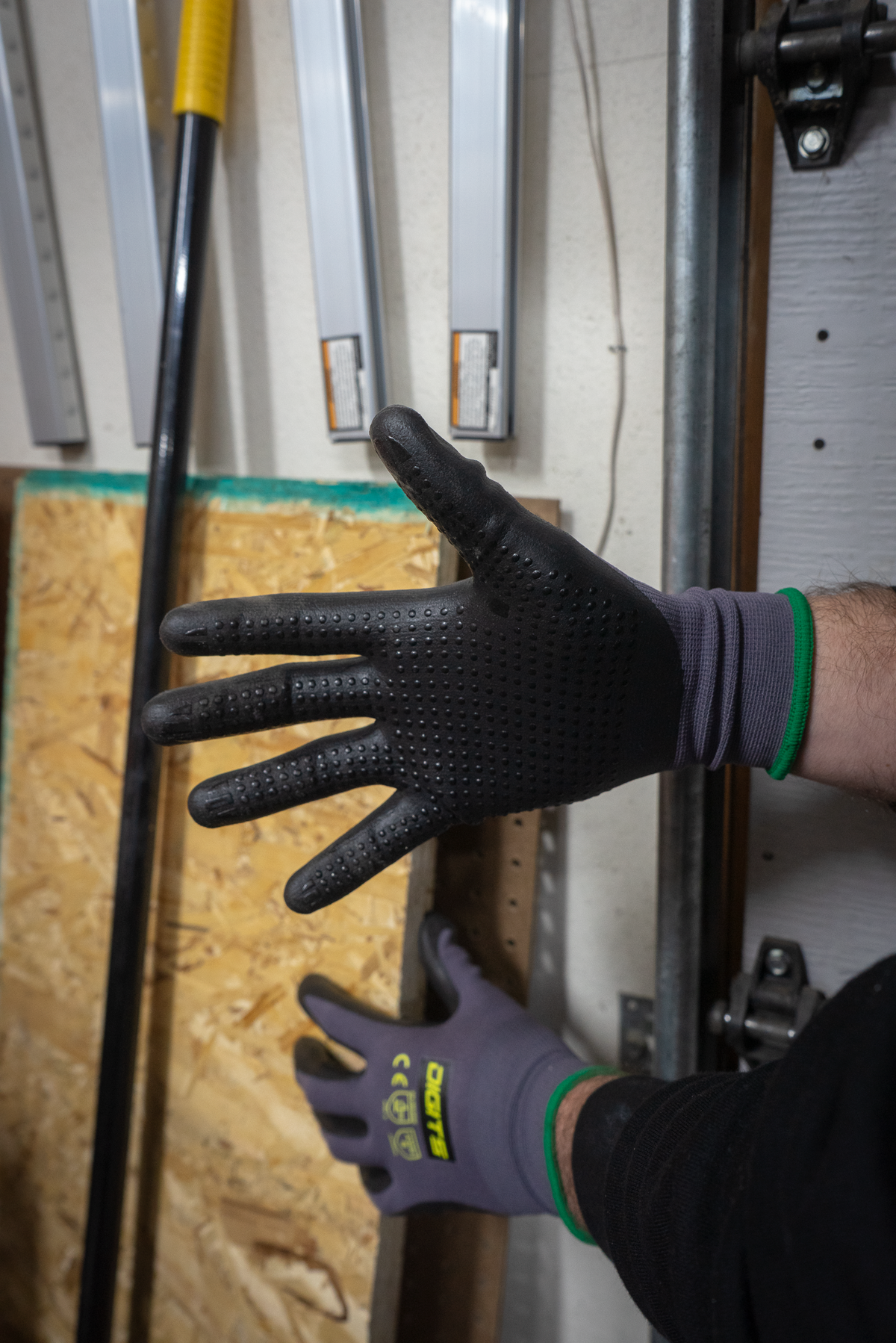
Nitrile or polyurethane? When shopping for dipped work gloves, the coating on the palm can make a big difference in grip, comfort, dexterity, and durability. But which material is actually better for the work you do?
In this guide, we'll compare nitrile vs. PU-coated work gloves, explain their strengths and differences, and help you understand why Digits Workwear uses a nitrile foam coating on Liteduty PRO and a polyurethane coating on Steelguard PRO.
Best Work Gloves for Metal Fabrication and Sheet Metal: What to Look For
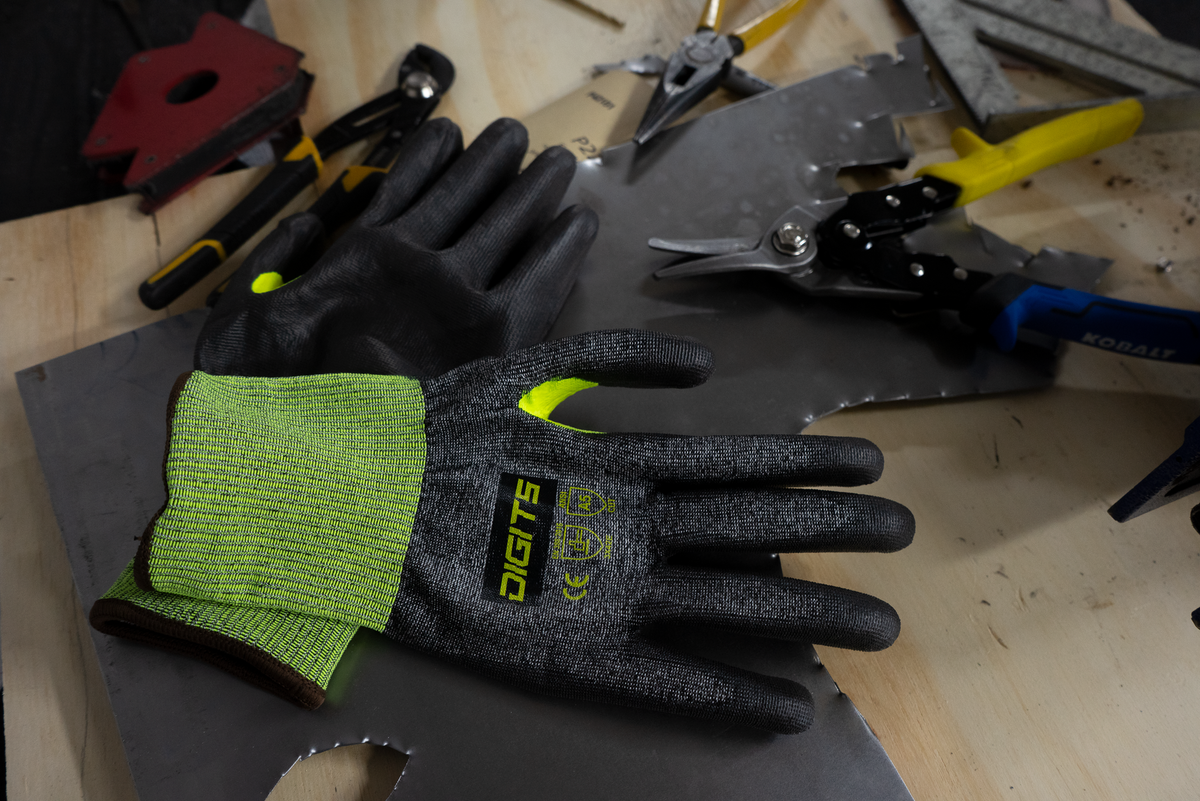
Working with sheet metal, steel, and sharp-edged materials puts serious demands on your hands. The best work gloves for metal fabrication need to provide cut resistance, dependable grip, and enough dexterity to handle tools and small components without constantly removing your gloves.
From understanding ANSI cut ratings to choosing between leather and dipped gloves, this guide covers what fabricators should look for when selecting hand protection. We'll also explain where the Digits Workwear Steelguard PRO fits into the fabrication shop.
What Is ANSI A5 Cut Resistance? A Complete Work Glove Guide
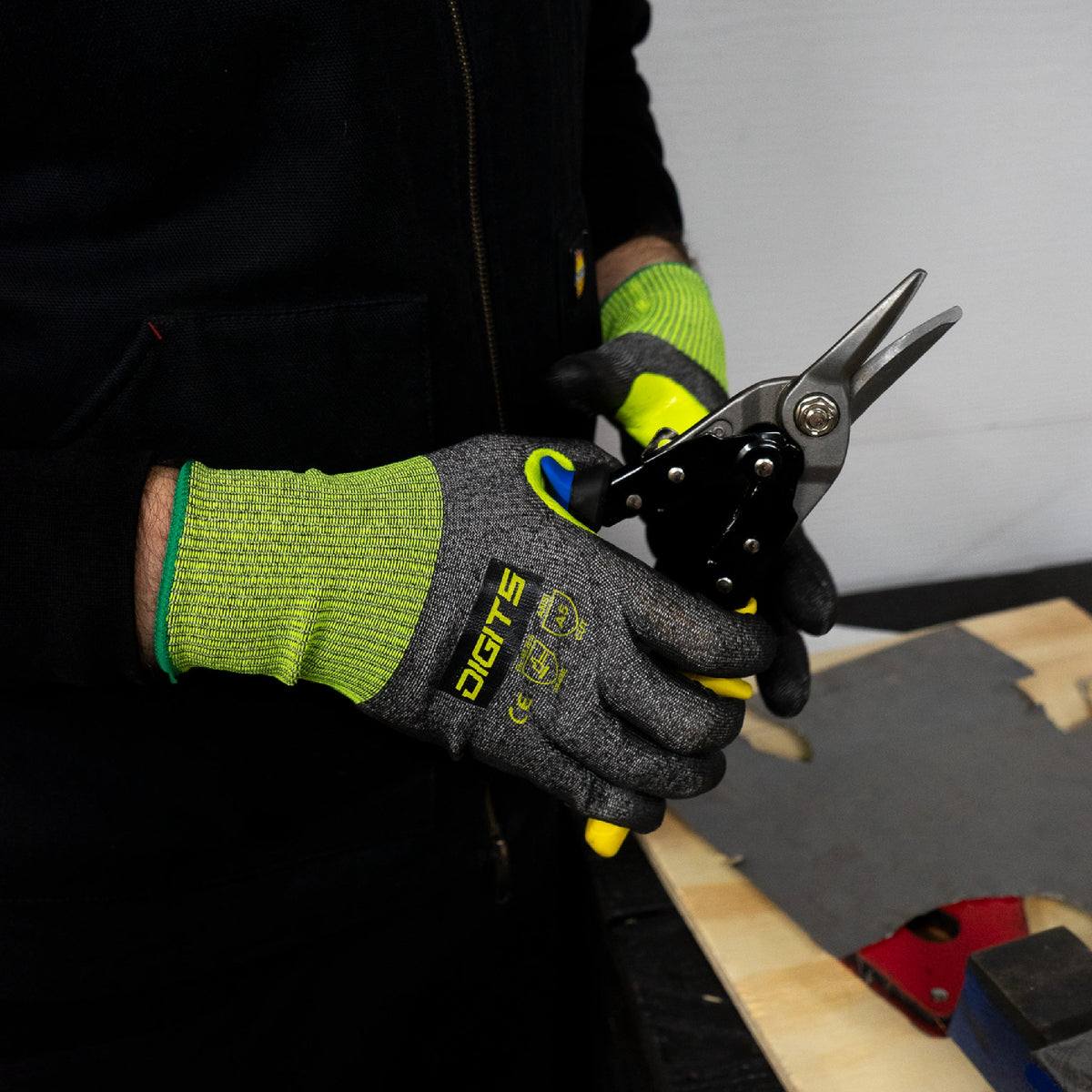
What does ANSI A5 cut resistance actually mean, and how much protection does it provide? If you work with sheet metal, sharp materials, or industrial equipment, understanding work glove safety ratings is essential to choosing the right hand protection.
In this guide, we break down ANSI cut-resistance levels, explain how A5 gloves are tested, and explore what makes the Digits Workwear Steelguard PRO a practical choice for workers who need cut protection without sacrificing dexterity.